How to Recognize
Genuine Leather: 5 Simple Ways to Spot Quality
Leather has long been
valued for its durability, elegance, and timeless appeal. Whether you're
purchasing a wallet, handbag, belt, jacket, or travel accessory, choosing
genuine leather ensures that you're investing in a product that offers both
quality and longevity. However, with the increasing availability of synthetic
alternatives, it can sometimes be difficult to distinguish real leather from
imitation materials.
At Al Sajjad
Production, we believe customers should have the knowledge to make informed
purchasing decisions. Here are five simple and effective ways to identify
genuine leather and avoid low-quality imitations.
1. Check the Smell
One of the easiest
ways to identify genuine leather is through its distinctive scent. Authentic
leather has a rich, natural, and earthy aroma that comes from the tanning
process and natural hide. Synthetic leather, on the other hand, often emits a
strong chemical or plastic-like smell.
While scent alone
should not be the only factor used to determine authenticity, it can provide a
useful first indication when examining a leather product.
2. Examine the
Surface and Grain Pattern
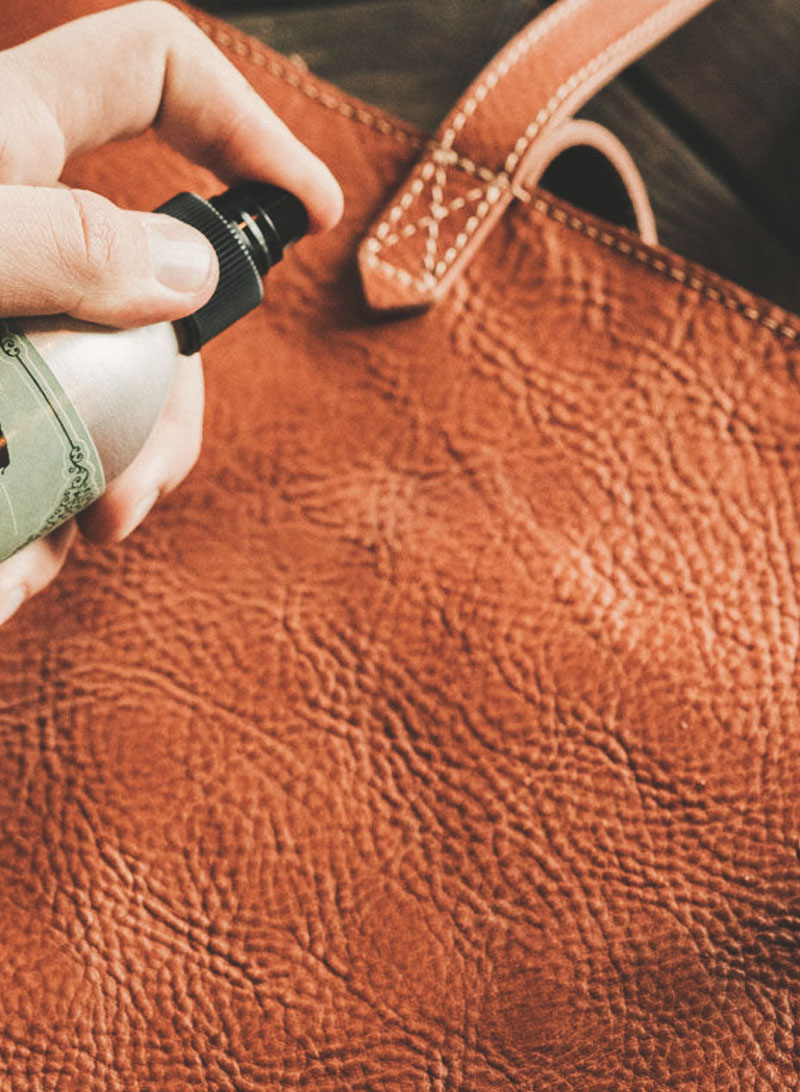
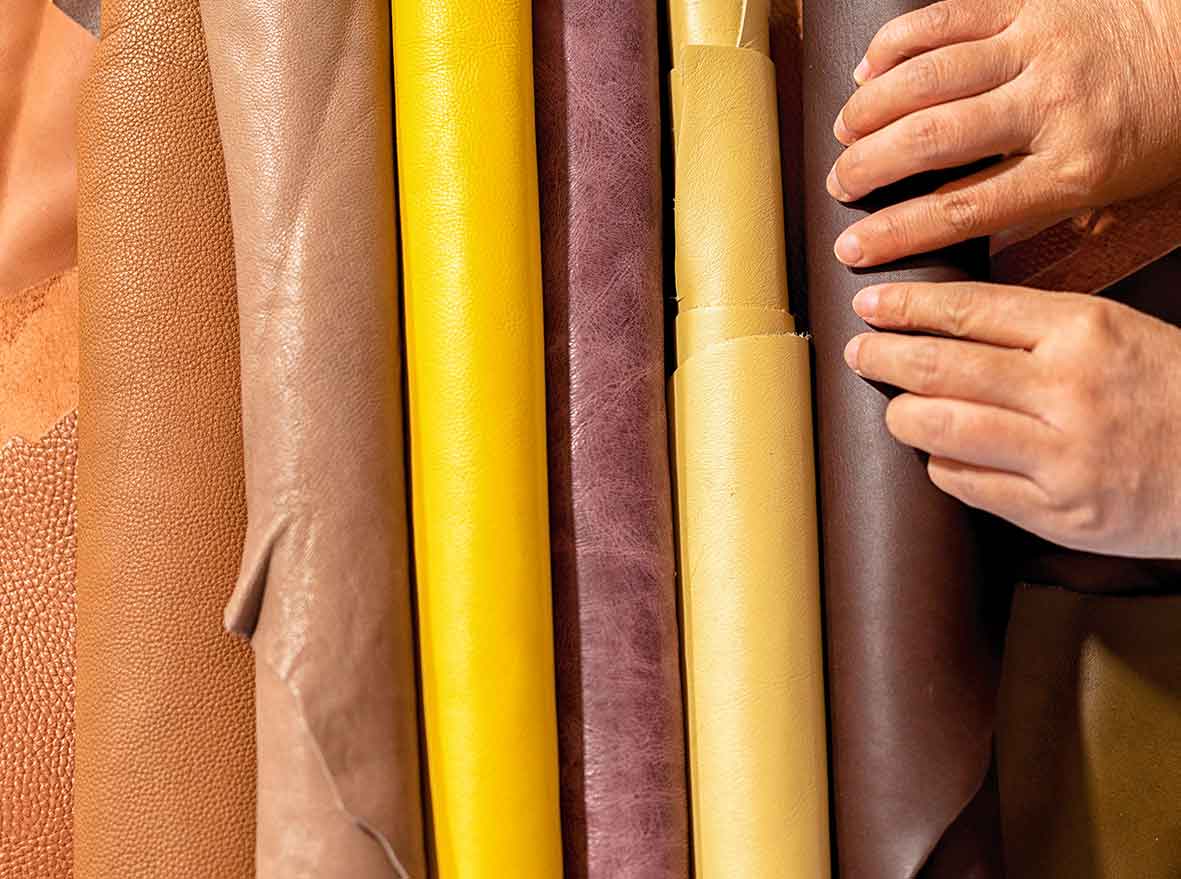
Real leather has a
natural grain pattern that varies from piece to piece. Because it is made from
animal hide, genuine leather contains small imperfections, wrinkles, pores, and
texture variations that make each product unique.
In contrast, faux
leather often appears overly smooth, perfectly uniform, or artificially
embossed. If a leather item looks too flawless, it may be made from synthetic
materials rather than genuine leather.
3. Feel the Texture
Touch is another
reliable way to distinguish genuine leather from imitation products. Authentic
leather feels soft, warm, flexible, and slightly textured. It responds
naturally to pressure and becomes more comfortable with use.
Synthetic leather
tends to feel cold, rigid, and plastic-like. It often lacks the softness and
flexibility that make genuine leather such a premium material.
4. Perform a Simple
Water Test
A small water test can
help determine whether leather is genuine. Place a tiny drop of water on an
inconspicuous area of the product. Genuine leather will slowly absorb the
moisture because it is a natural material with pores.
Fake leather typically
repels water, causing the droplet to remain on the surface. While this test
should be used carefully, it can provide additional confirmation of
authenticity.
5. Inspect the
Edges Carefully
The edges of a leather
product can reveal a great deal about its quality. Genuine leather usually has
rough, fibrous edges that reflect the natural layers of the hide. These edges
often appear slightly uneven.
Synthetic leather
products generally have smooth, sealed, or perfectly finished edges because
they are manufactured from artificial materials rather than natural hide.
Why Genuine Leather
Is Worth the Investment
Choosing genuine
leather offers numerous benefits beyond appearance. High-quality leather
products are known for their durability and can last for many years when
properly maintained. Unlike synthetic materials that often crack or peel over
time, genuine leather develops a beautiful patina that enhances its character
and charm.