Introduction
Leather products are widely appreciated for their attractive appearance,
practical use, and versatile designs. From stylish bags and wallets to durable
belts and other leather accessories, these products are used in everyday life,
professional environments, and the fashion industry. The quality of a finished
leather product depends on several important factors, including material
selection, design, cutting, stitching, finishing, and quality inspection.
Al Sajjad Production focuses on leather manufacturing, with an emphasis on
creating products that combine practical functionality with an attractive
appearance. Understanding the manufacturing process helps customers and
businesses make informed decisions when selecting leather goods.
Understanding Leather Manufacturing
Leather manufacturing involves a series of processes that transform suitable
leather materials into finished products. Each stage requires careful planning,
accurate measurements, and attention to detail.
The process starts with selecting appropriate materials and developing a
product design. The materials are then prepared, cut according to the required
dimensions, assembled, stitched, and finished. Finally, the completed product
is inspected to check its appearance and construction.
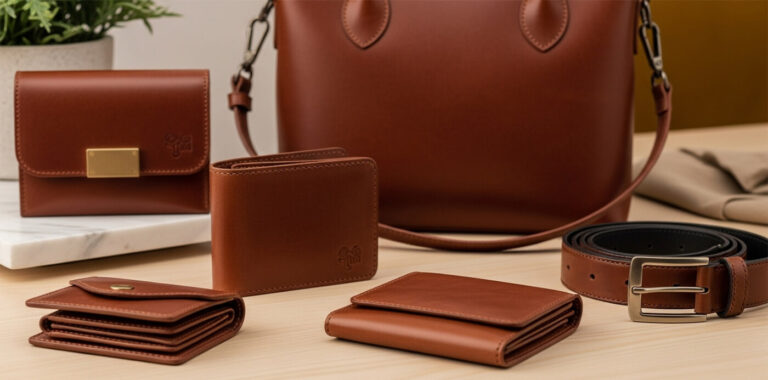
Different products require different manufacturing methods. A leather wallet
needs carefully arranged compartments, while a leather bag may require strong
handles, suitable lining, zippers, and sufficient storage space. Belts require
appropriate dimensions, secure buckle attachments, and consistent finishing.
Importance of Quality Materials
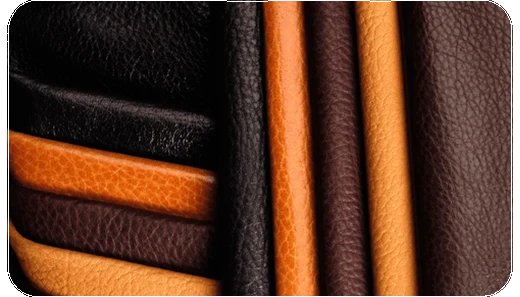
Material selection plays an important role in the appearance and performance
of leather products. Different materials offer different textures, levels of
flexibility, finishes, and maintenance requirements.
Before manufacturing begins, materials should be selected according to the
intended product and its expected use. Genuine leather, when specified
accurately, offers distinctive natural characteristics. Synthetic leather and
other alternatives may also be suitable for particular designs and customer
requirements.
In addition to the main material, manufacturers must consider thread,
zippers, buckles, lining, fasteners, and other components. These details
contribute to the finished product's appearance, functionality, and overall
construction.
Accurate material descriptions help customers understand the product they
are purchasing and choose an option that matches their preferences and budget.
Product Design and Planning
Design is an essential stage of leather manufacturing. A successful design
should balance appearance, comfort, practicality, and the requirements of the
intended customer.
Manufacturers consider the product's shape, dimensions, color, compartments,
stitching positions, and finishing details before production begins. Careful
planning can reduce material waste and help maintain consistency during
manufacturing.
For example, a leather wallet should provide convenient storage for cards
and cash without becoming unnecessarily bulky. A leather bag should offer
appropriate space and comfortable carrying options. A leather belt should have
suitable dimensions and a buckle that complements its overall design.
Thoughtful product planning helps transform an idea into a practical and
visually appealing finished item.
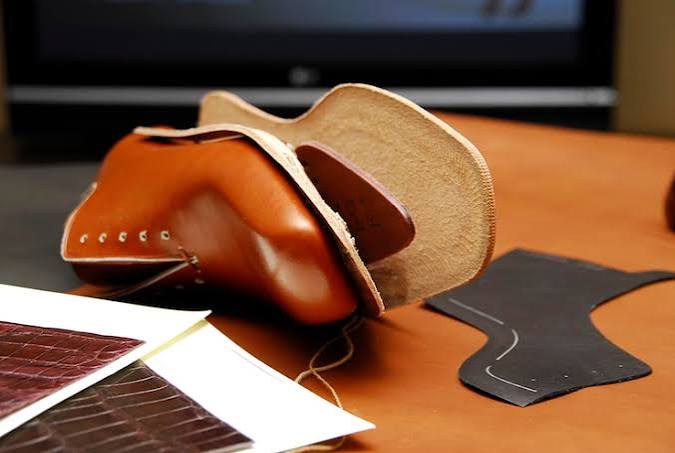
Cutting and Preparing Leather
Cutting is an important manufacturing stage because it determines the shape
and dimensions of individual product components. Accurate cutting helps ensure
that different pieces fit together correctly during assembly.
The material is prepared according to the selected design and cutting
patterns. Measurements are checked carefully to maintain consistency and reduce
unnecessary waste.
For products with multiple sections, such as bags and wallets, each
component must be cut according to its intended position. Proper preparation
helps create a neat finish and supports the overall quality of the final
product.
Stitching and Assembly
Stitching and assembly bring the individual components together to create
the finished product. This stage requires precision because uneven stitching or
poorly aligned components can affect both appearance and usability.
Manufacturers select appropriate stitching methods according to the material
and product design. Seams, edges, handles, compartments, and attachment points
should be assembled carefully.
For leather bags, particular attention may be required around handles and
frequently used closures. Wallets benefit from neat compartment construction,
while belts require secure buckle attachment and carefully finished edges.
Consistent workmanship helps create products that are suitable for their
intended everyday use.
Finishing and Quality Inspection
Finishing gives leather products their final appearance. Depending on the
material and design, this stage may involve smoothing edges, cleaning surfaces,
checking stitching, and ensuring that components are properly attached.
Quality inspection helps identify visible issues before products are
packaged or supplied to customers. Manufacturers may examine dimensions, seams,
color consistency, fasteners, zippers, buckles, and general construction.
A structured inspection process helps maintain consistent standards and
supports customer satisfaction. Accurate product descriptions and clear quality
expectations are also important when supplying leather goods to businesses and
retailers.
Popular Types of Leather Products
Leather Bags
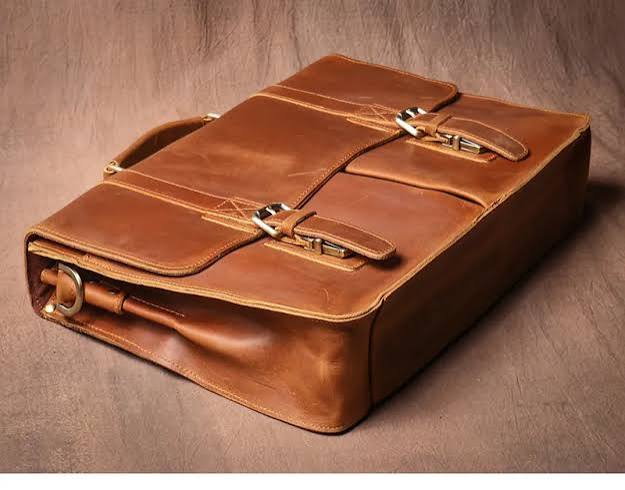
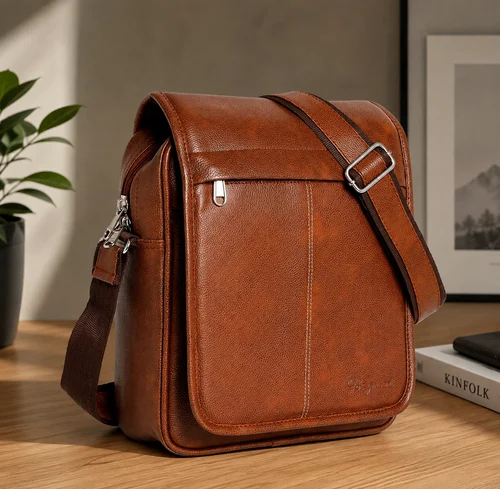
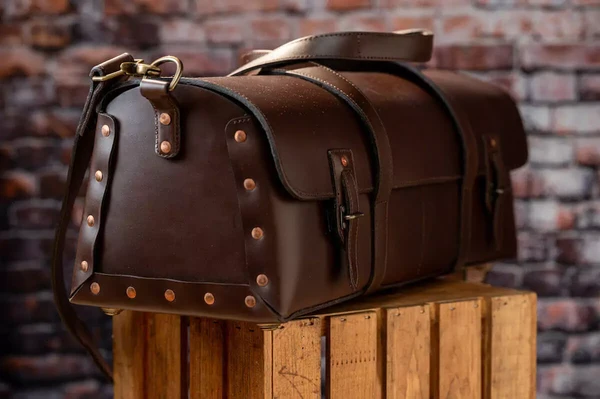
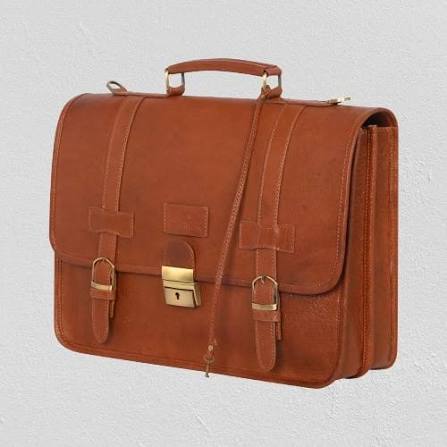
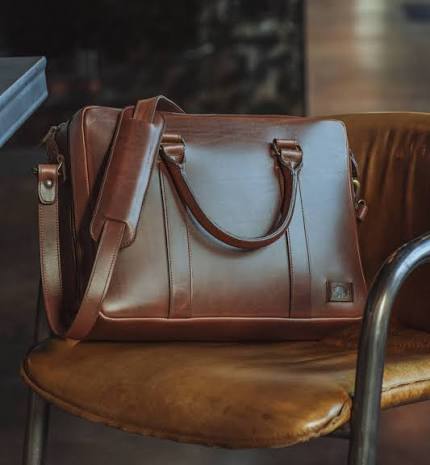
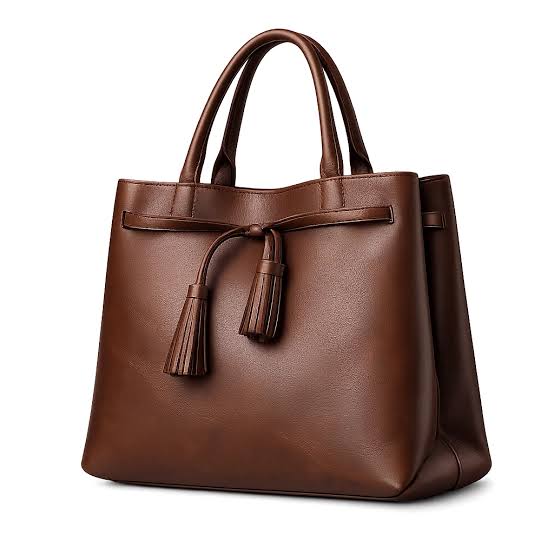
Leather bags combine storage, convenience, and style. They are suitable for
a variety of uses, including work, travel, shopping, and everyday activities.
Their designs may include shoulder bags, handbags, backpacks, and other
practical styles.
When selecting a leather bag, consider its dimensions, compartments,
handles, material, and intended use.
Leather Wallets
Leather wallets help organize cash, cards, and other small personal items. Common
designs include bi-fold wallets, card holders, and compact wallets.
The most suitable option depends on storage needs, preferred size, and
personal style. Stitching, compartment layout, and finishing are important
details to consider.
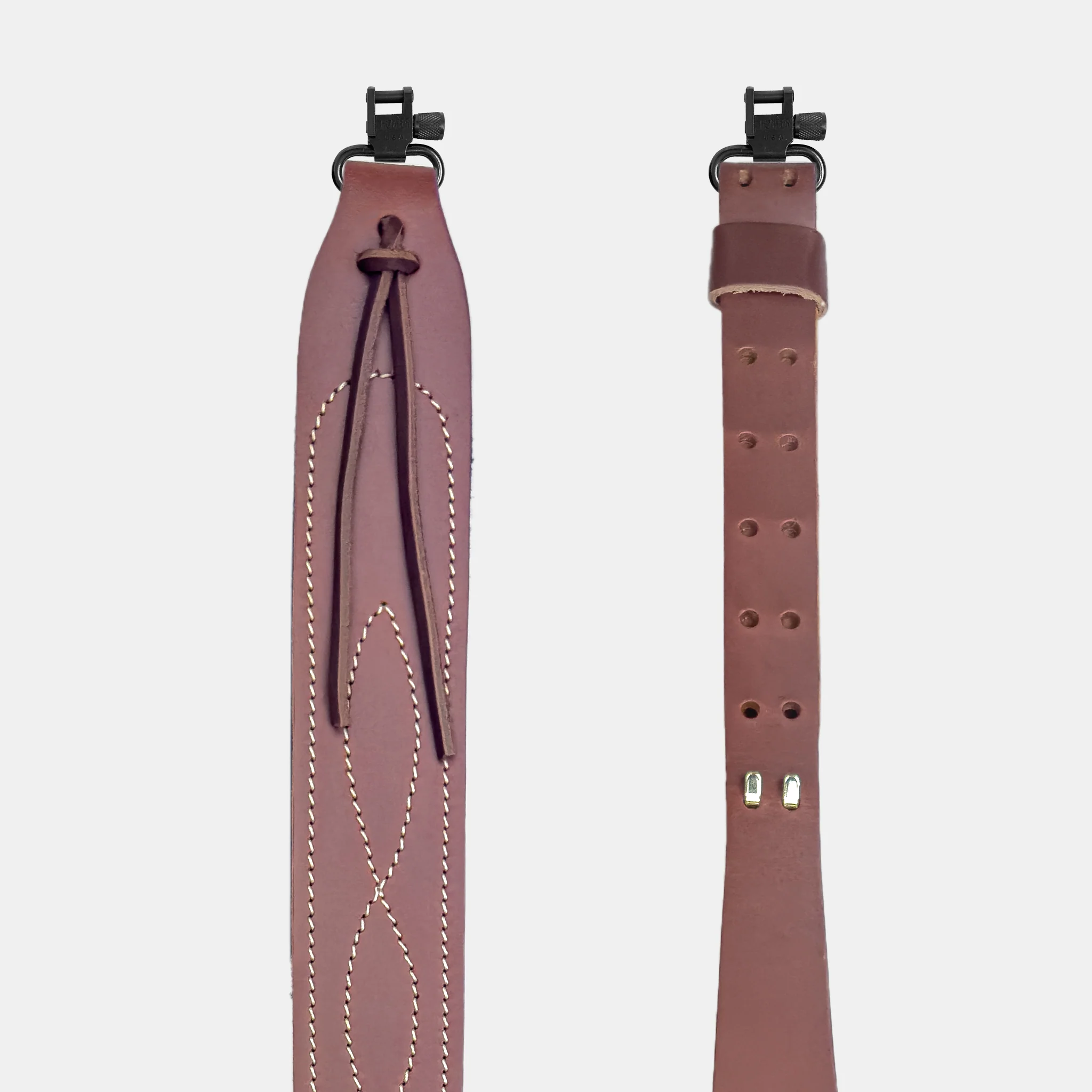
Leather Belts
Leather belts are useful accessories for both formal and casual clothing.
Black, brown, and tan are popular color choices because they coordinate with
many outfits.
A suitable belt should provide a comfortable fit, appropriate length,
reliable construction, and a design that matches the intended occasion.
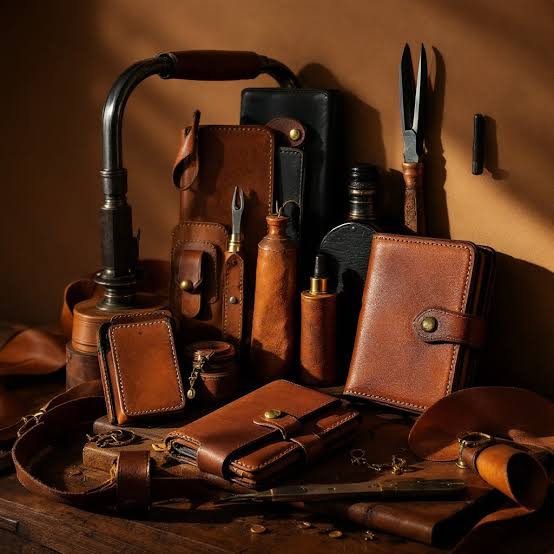
Other Leather Accessories
Leather materials can also be used to manufacture various accessories for
personal and professional purposes. The design, material, dimensions, and
finishing depend on the product's intended function and customer requirements.
How to Choose Quality Leather Products
Choosing a leather product requires more than looking at its color or
design. Consider the following factors before purchasing:
·
Material: Read the product
description to identify the type of material used.
·
Design: Select a style and
color that suit your needs.
·
Comfort: Consider the product's
size, weight, fit, and ease of use.
·
Maintenance: Check the care
instructions for the specific material.
·
Value: Compare the quality,
construction, and features against the price.
Considering these details can help you select products that meet your
expectations.