How Leather Products Combine Fashion, Function and Durability
Introduction
Leather products are widely appreciated for their classic appearance,
versatile designs, and practical everyday uses. From fashionable handbags and
elegant wallets to traditional belts and useful accessories, leather goods are
available in styles that suit different needs and preferences. Their
combination of design and functionality makes them a popular choice for people
who value attractive and practical products.
. Understanding the materials, construction, and design of these products
can help customers make informed choices when selecting accessories for
personal use or business purposes.
The Growing Popularity of Leather Accessories
Fashion trends change over time, but classic accessories often remain useful
across different seasons. Leather bags, wallets, and belts can complement
casual, professional, and formal outfits. Their wide range of designs allows
customers to select accessories that match their personal style.
Neutral colors such as black, brown, and tan are versatile options for
everyday use. Other colors and contemporary designs can provide a distinctive
look for customers who prefer modern fashion.
The popularity of leather accessories also comes from their practical
purposes. Bags provide storage, wallets organize small essentials, and belts
help complete an outfit while serving a functional role.
Leather Bags for Style and Everyday Convenience
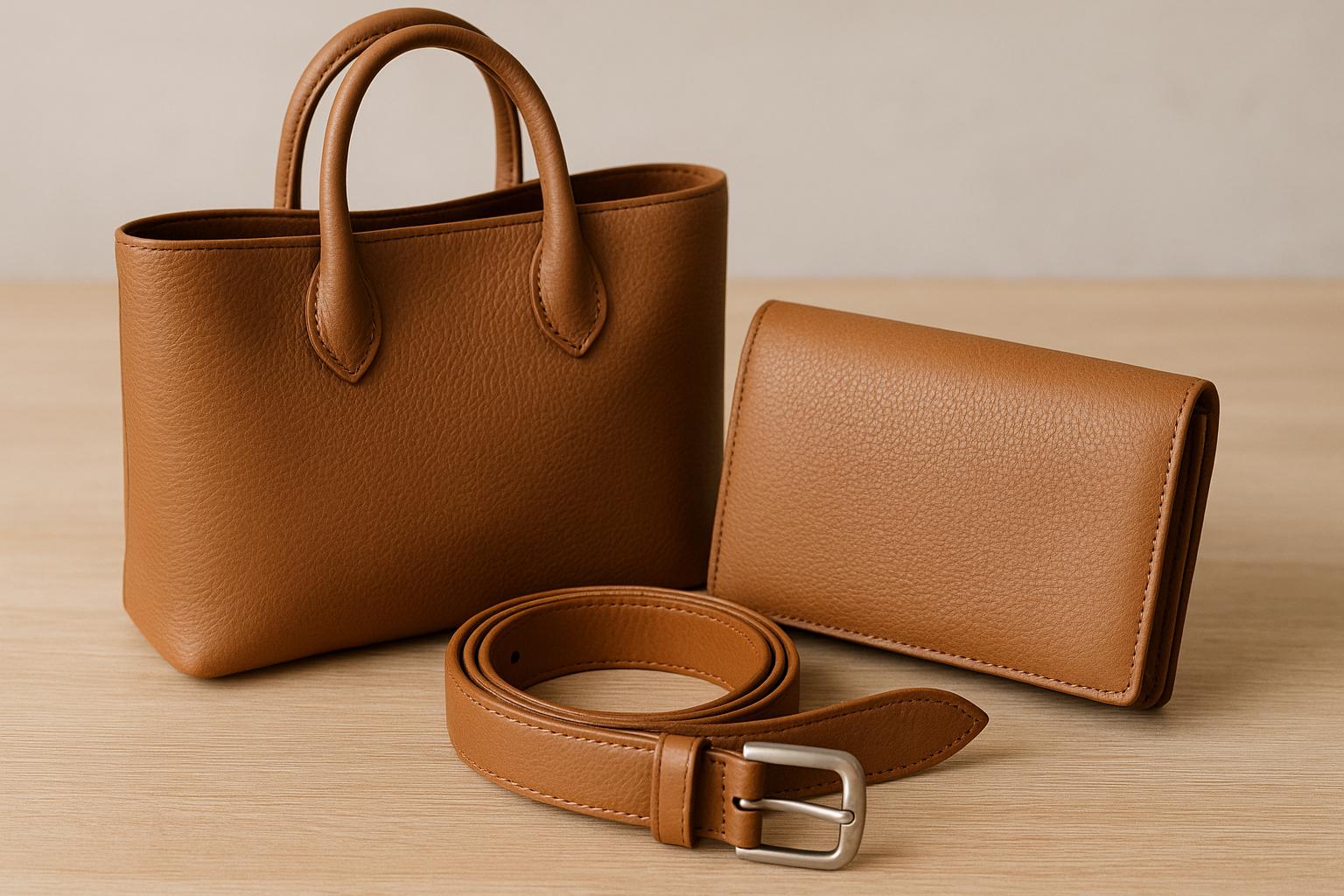
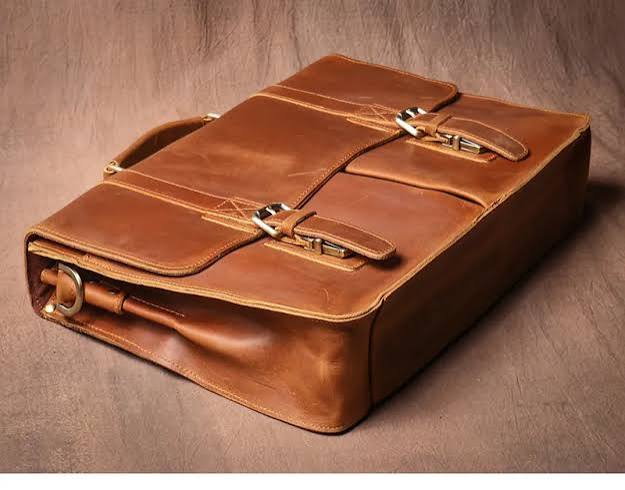
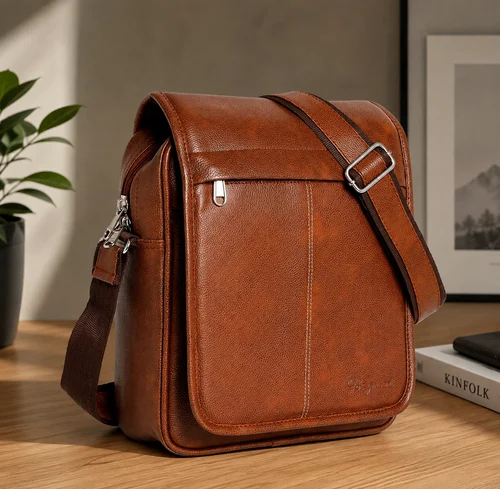
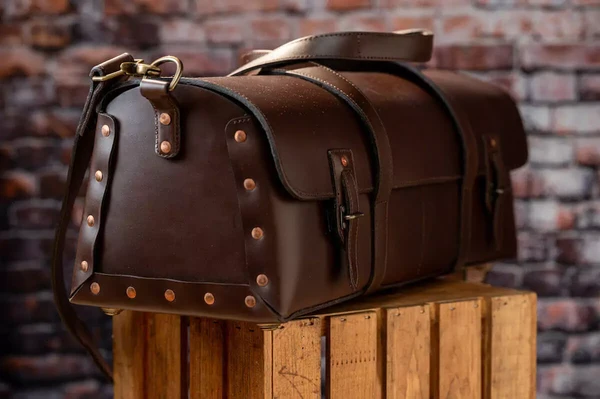
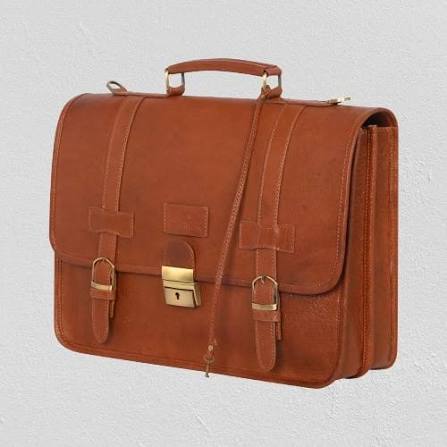
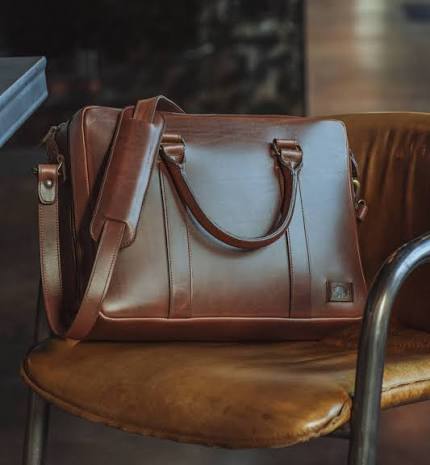
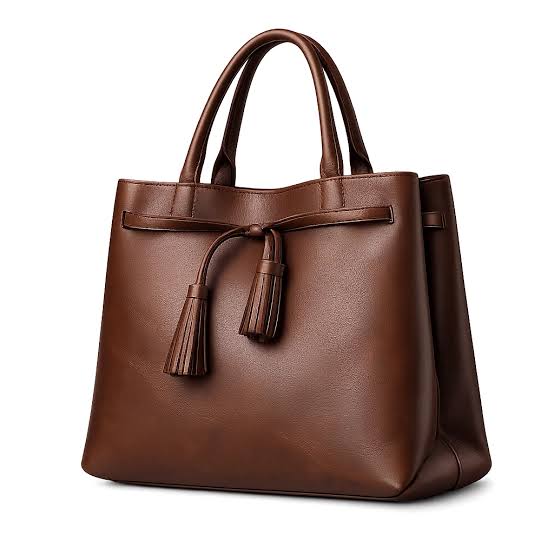
Leather bags are available in many styles, including shoulder bags,
handbags, tote bags, and other designs. Each style offers different benefits
depending on its size, shape, and intended use.
For everyday activities, a practical bag should provide sufficient space for
essential items. Comfortable handles, secure closures, useful compartments, and
neat stitching can contribute to a better user experience.
When selecting a bag, consider where you plan to use it. A compact handbag
may suit shopping and social occasions, while a larger design may be more
appropriate for carrying additional belongings.
Color and finish are also important considerations. A classic black or brown
bag can coordinate with a variety of outfits, while a bright red bag can create
a bold fashion statement.
Leather Wallets for Organization and Convenience
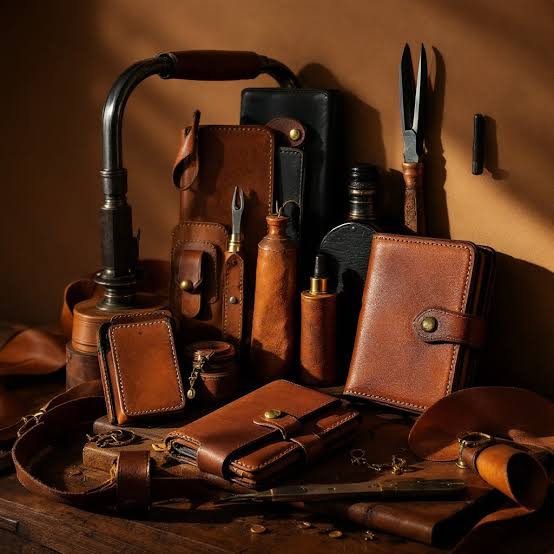
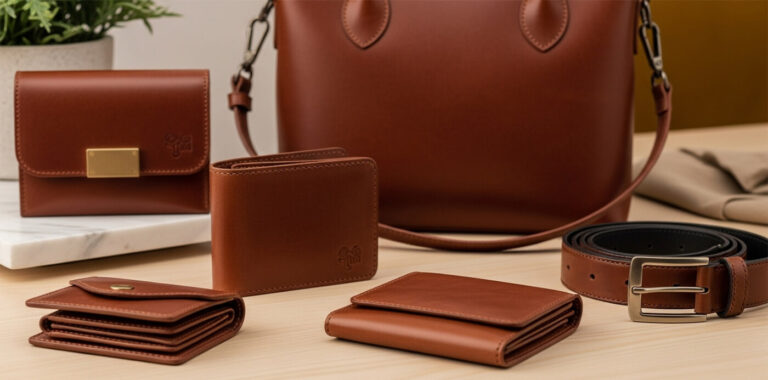
Wallets are essential accessories for carrying cash, bank cards,
identification, and other small items. A well-designed wallet helps keep these
belongings organized and accessible.
Wallets come in different sizes and layouts. Slim designs are suitable for
people who prefer minimal storage, while larger wallets may provide additional
card slots and compartments.
Before choosing a wallet, examine the material description, stitching,
dimensions, and internal layout. A practical design should meet your storage
requirements without becoming unnecessarily bulky.
Keeping a wallet clean, dry, and free from excess contents can help maintain
its shape and appearance.
Leather Belts for Classic and Modern Outfits
A belt can add a finishing touch to an outfit while providing a practical
way to secure trousers. Leather belts are available in a variety of colors,
widths, buckle designs, and finishes.
Black belts are commonly chosen for formal clothing and office wear. Brown
and tan options can complement jeans, chinos, and casual outfits.
When purchasing a belt, choose the appropriate length and width for a
comfortable fit. A well-chosen belt can be a useful addition to both everyday
and professional wardrobes.
Understanding Leather Quality and Construction
The quality of a leather product depends on several factors, including its
material, design, construction, and finishing. Understanding these elements
helps customers evaluate products more effectively.
Material selection affects appearance, texture, flexibility, and care
requirements. Different leather types and alternative materials have different
characteristics, so product descriptions should be reviewed carefully.
Stitching is another important consideration. Consistent stitching and clean
edges contribute to a neat finish, while appropriately fitted handles, buckles,
zippers, and closures support the intended function of a product.
Customers should check the specific material used rather than assuming every
item marketed as a leather accessory is made from genuine leather.
The Role of Craftsmanship in Leather Manufacturing
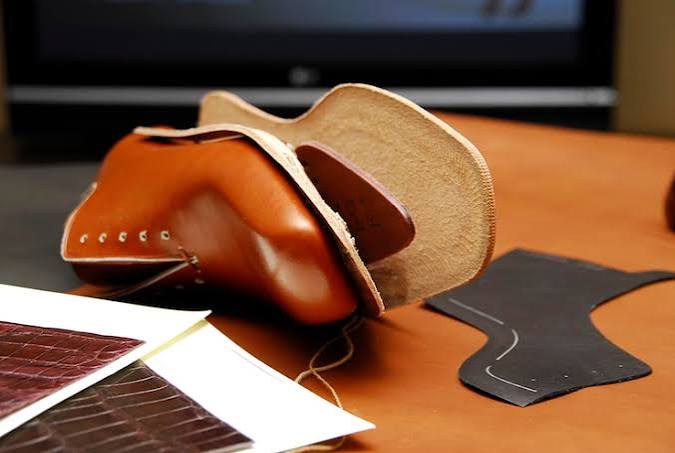
Leather manufacturing involves several stages, which may include material
selection, pattern preparation, cutting, stitching, assembly, and finishing.
Attention to detail throughout these stages can help create products with a
consistent appearance and practical construction.
Product design should consider both appearance and usability. For example, a
bag needs suitable handles and compartments, a wallet requires a useful
internal layout, and a belt needs an appropriate buckle and size.
Careful finishing can improve the overall presentation of leather goods
How to Choose the Right Leather Product
·
Purpose: Decide whether the
item is for work, travel, everyday use, or a special occasion.
·
Material: Read the product
description to understand its material and finish.
·
Size: Check dimensions and
storage capacity before ordering.
·
Design: Select a color and
style that suit your wardrobe and preferences.
·
Construction: Look for neat
stitching, clean edges, and properly fitted components.
·
Comfort: Consider handle
design, weight, and ease of use where relevant.
·
Maintenance: Check the
recommended cleaning and storage instructions.
Comparing these details can help you select an accessory that matches your
expectations and budget.
Simple Tips for Leather Product Care
Proper care helps preserve the appearance of leather accessories. Although
specific requirements vary by material and finish, several general practices
are useful.
1. Avoid
prolonged exposure to direct sunlight and excessive heat.
2. Keep
leather products away from unnecessary moisture.
3. Allow
wet items to dry naturally, away from heaters.
4. Use
only suitable leather-care products and follow the manufacturer's guidance.
5. Store
bags in a clean, dry place and avoid crushing their shape.
6. Avoid
overfilling wallets and bags, as excessive contents can place stress on their
construction.
Following appropriate care instructions can help maintain the appearance and
usefulness of your accessories.
Leather Products for Retailers and Businesses
Leather products serve a wide range of customer needs, making them relevant
to fashion retailers, accessory stores, and other businesses. Bags, wallets,
and belts can be offered in different colors, styles, sizes, and price
categories.
Businesses evaluating leather products should consider material
specifications, design consistency, finishing, intended customers, and product
presentation. Accurate product descriptions and clear photographs can also help
customers understand the available options.
For businesses exploring leather manufacturing, clear communication about
product requirements is important when assessing a potential supplier or
manufacturing partner.
Explore Leather Products at Al Sajjad Production
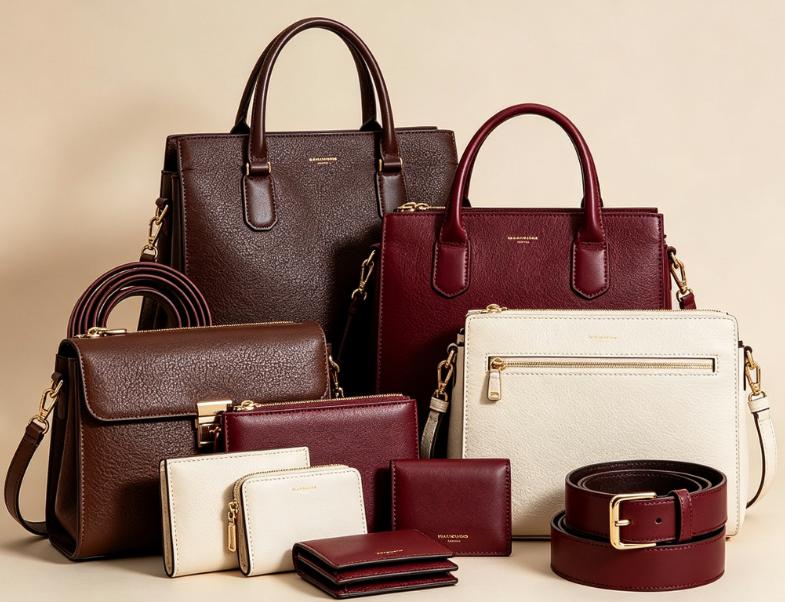
Al Sajjad Production focuses on leather manufacturing and products such as
bags, wallets, belts, and related accessories. Exploring these product
categories can help customers understand the variety of designs and practical
uses available in the leather goods market.
Whether you are interested in a stylish handbag, an everyday wallet, or a
classic belt, consider the product's materials, design, construction, and care
requirements before making a decision.
Our aim is to highlight the importance of practical design and product presentation in the leather goods indust