The Art of Leather Manufacturing: Creating Quality
Products
Leather manufacturing is a skilled
process that combines material selection, thoughtful design, precision, and
craftsmanship. From stylish handbags and practical wallets to elegant belts and
everyday accessories, leather products are valued for their appearance,
functionality, and versatility.
As fashion and consumer preferences
continue to evolve, leather manufacturers focus on creating products that
balance traditional craftsmanship with modern designs. At Al Sajjad Production,
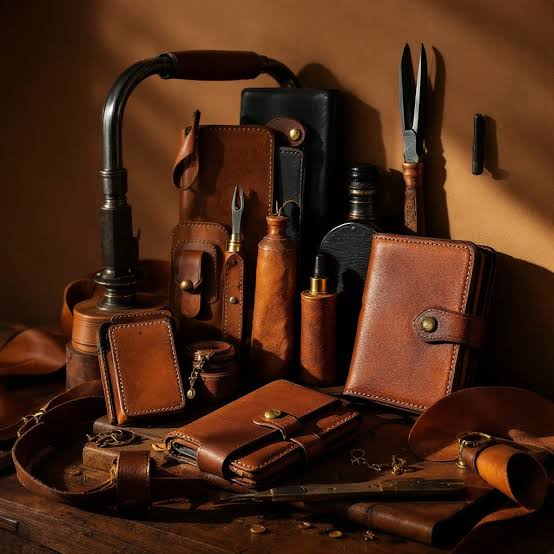
leather manufacturing includes products such as bags, wallets, and other
leather goods designed for different uses and preferences.
Understanding
the Leather Manufacturing Process
Each stage contributes to the appearance,
construction, and usability of the final item.
1.
Material Selection
The manufacturing process begins
with selecting suitable materials according to the product's intended purpose.
Different leather types have different textures, thicknesses, flexibility, and
maintenance requirements.
Choosing the appropriate material
helps manufacturers create products that meet specific design and functional
needs. Material selection also influences the product's finish, appearance, and
overall performance.
2.
Product Design and Planning
Design is an essential part of
leather manufacturing. Before production begins, manufacturers consider the
product's shape, size, colour, compartments, stitching pattern, and finishing
details.
For example, a leather wallet requires
practical card slots and storage space, while a leather bag may need
comfortable handles, secure closures, and well-organized compartments.
Good planning helps ensure that the
final product is attractive, practical, and suitable for its intended use.
3.
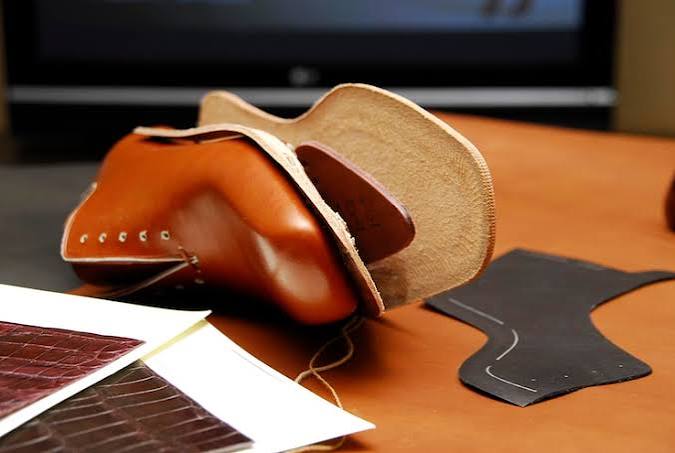
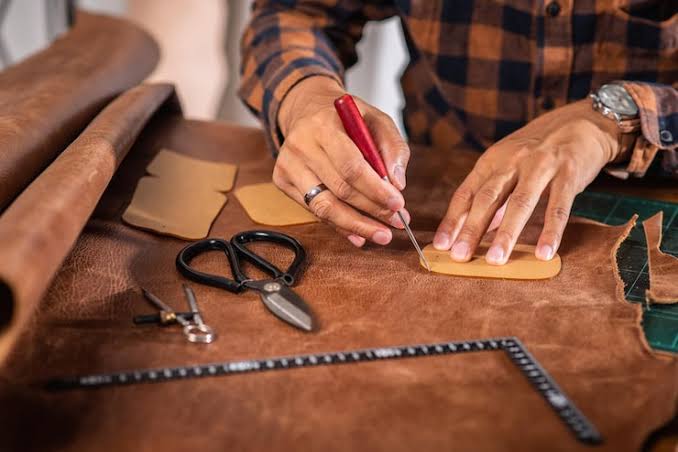
Cutting and Shaping
Once the design and materials are
selected, the leather is measured and cut into the required shapes. Accurate
cutting is important because it helps the different pieces fit together
correctly.
Careful cutting can also reduce
unnecessary material waste and support consistent product dimensions. Each
component must be prepared according to the product design before moving to the
assembly stage.
4.
Stitching and Assembly
Stitching connects the different
components and contributes to the product's construction. Depending on the
design, manufacturers may use different stitching techniques, threads, and
reinforcement methods.
Bags, wallets, and belts each
require specific construction techniques. Consistent stitching and properly
assembled components help improve the finished product's appearance and
usability.
5.
Finishing and Quality Inspection
Finishing gives a leather product
its final appearance. This stage may include edge treatment, cleaning,
polishing where appropriate, hardware installation, and checking the overall
construction.
Quality inspection helps identify
problems such as uneven stitching, damaged surfaces, poorly fitted components,
or inconsistent finishing. Checking these details before a product is completed
supports better manufacturing standards.
Different
Types of Leather Products
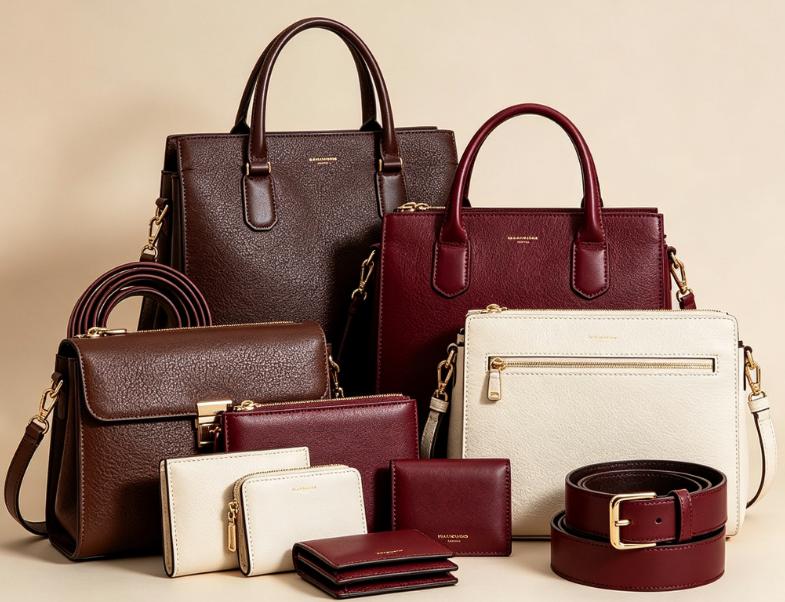
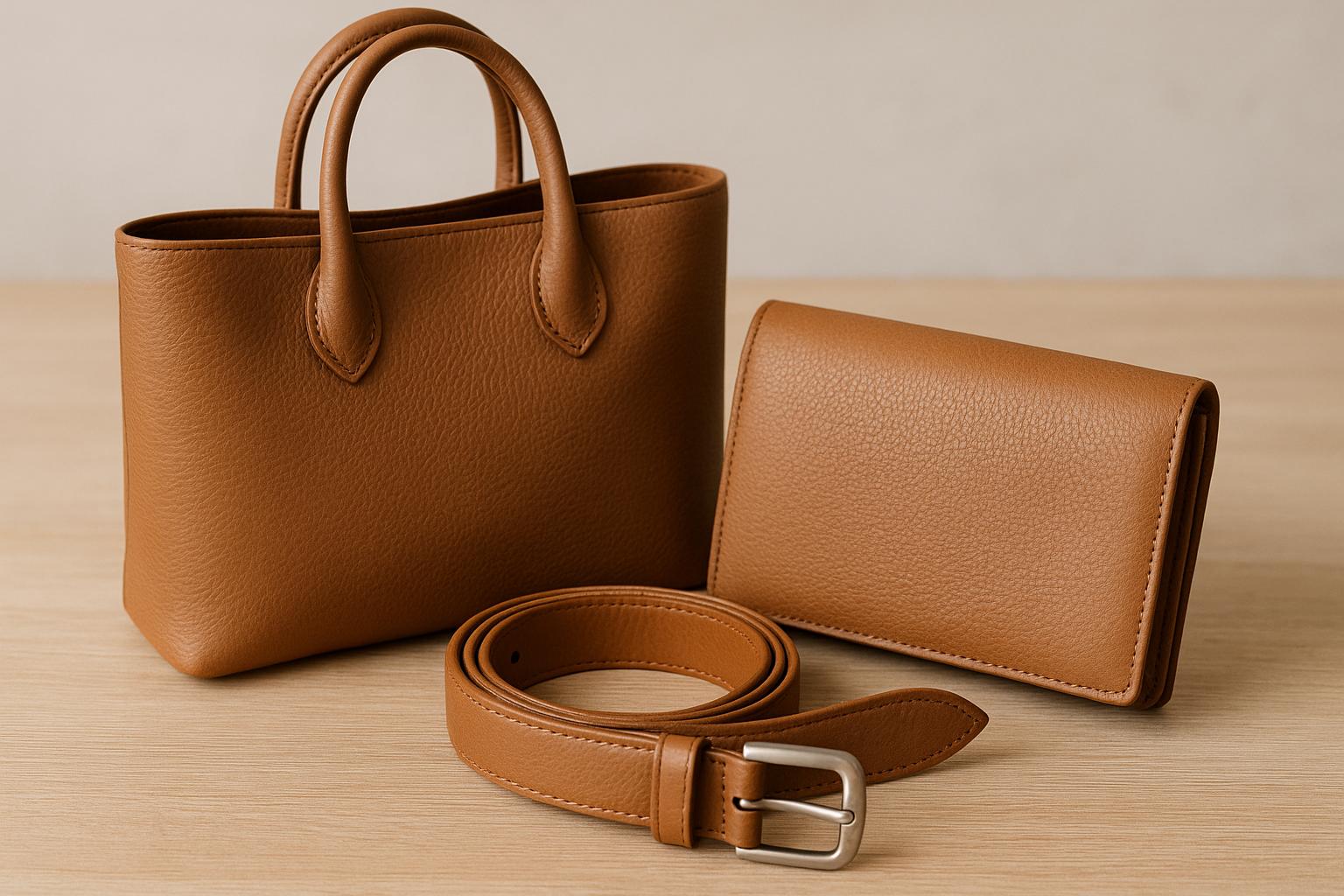
Leather can be used to manufacture a
wide range of products for personal, professional, and commercial purposes.
Leather
Bags
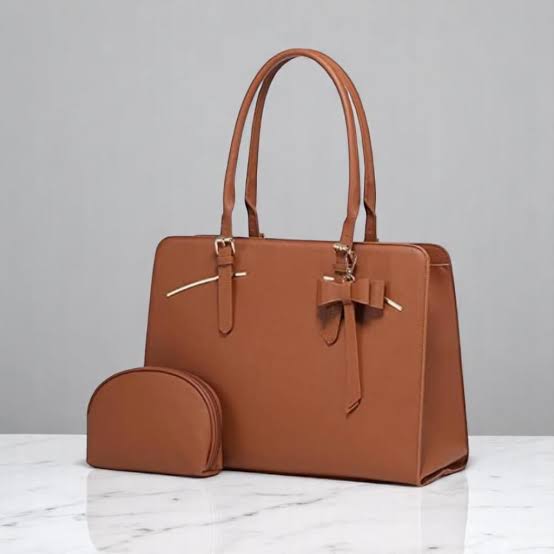
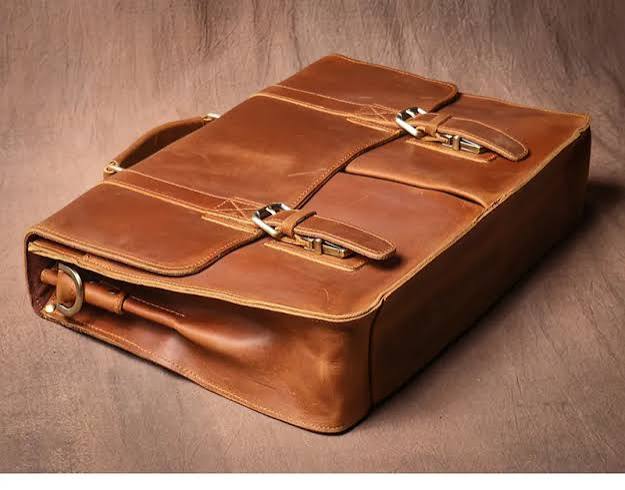
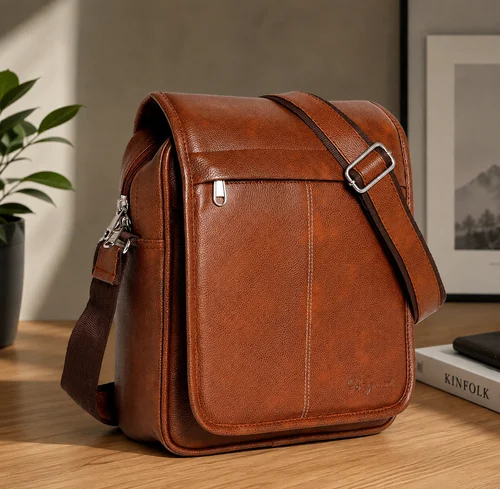
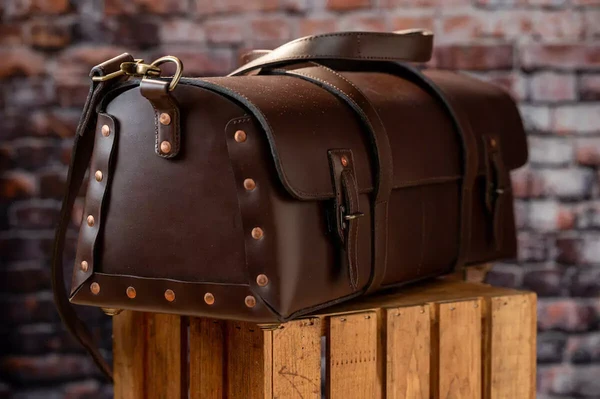
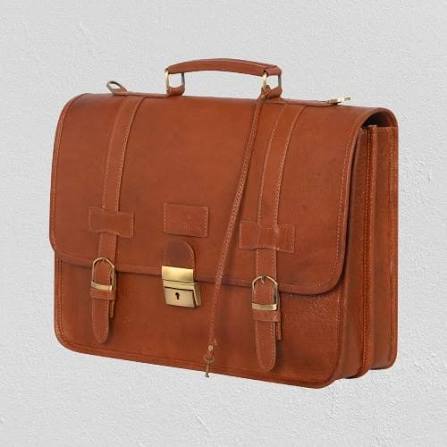
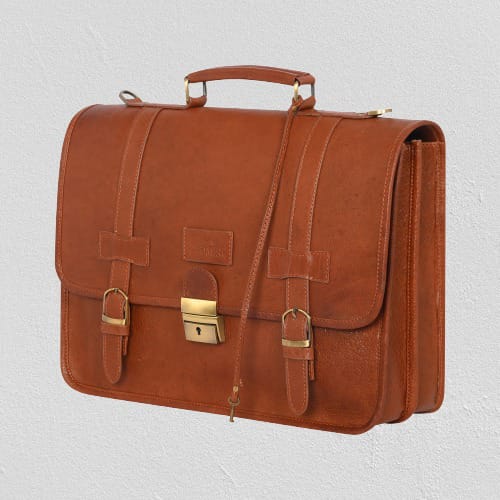
Leather bags combine storage and
style. Handbags, shoulder bags, office bags, and travel bags can be designed
for different lifestyles. Important considerations include capacity, comfort,
construction, compartments, and the quality of zippers and handles.
Leather
Wallets
Wallets are compact accessories
designed to organize cash, cards, and other essentials. A good wallet design
balances convenient storage with a comfortable size. Material selection,
stitching, and compartment layout all contribute to its functionality.
Leather
Belts
Leather belts are popular
accessories for casual and formal clothing. Their quality depends on factors
such as material, buckle construction, accurate sizing, and finishing. Classic
colours such as black and brown are useful options for different outfits.
Custom
Leather Accessories
Some customers prefer products with
specific sizes, colours, designs, or functional features. Custom leather
accessories can be developed around particular requirements, depending on the
manufacturer's capabilities and available materials.
Why
Quality Matters in Leather Manufacturing
Quality is an important
consideration when manufacturing leather goods. Attractive appearance alone is
not enough; a product should also be designed for its intended purpose.
Several factors contribute to
product quality:
- Suitable material selection for the intended
application.
- Accurate cutting and consistent dimensions.
- Strong and neat stitching.
- Properly fitted zippers, buckles, handles, and other
hardware.
- Careful finishing of edges and surfaces.
- Inspection of the completed product before delivery.
Attention to these details helps
manufacturers produce leather goods that are practical, visually appealing, and
suitable for regular use.
Traditional
Craftsmanship and Modern Technology
The leather industry combines
established craftsmanship with modern manufacturing methods. Skilled workers
contribute their experience in cutting, stitching, assembly, and finishing,
while modern equipment can improve accuracy and production consistency.
The appropriate balance depends on
the product, design, materials, and production requirements. Careful
workmanship remains important because even small details can influence the
appearance and functionality of a finished leather accessory.
Modern design trends also encourage
manufacturers to explore different colours, shapes, textures, and practical
features while maintaining attention to construction quality.
How
to Select the Right Leather Products
Choosing the right leather product
starts with understanding how it will be used. A work bag may require
additional compartments and comfortable carrying options, while a wallet should
provide convenient organization without unnecessary bulk.
Before making a purchase, consider
these factors:
- Material:
Check whether the product uses genuine leather, another leather type, or
synthetic material.
- Construction:
Examine stitching, edges, seams, and attached components.
- Design:
Choose a style that suits your personal preferences and daily activities.
- Functionality:
Check the storage space, closures, size, and ease of use.
- Maintenance:
Understand the care requirements for the material.
- Value:
Compare quality, construction, features, and price rather than judging a
product by appearance alone.
These considerations can help you
make a more informed decision when purchasing leather accessories.
Tips
for Maintaining Leather Goods
Regular care can help leather
products retain their appearance and remain useful for longer.
Keep leather accessories clean and
dry, remove dust with a soft cloth, and avoid exposing them to excessive
sunlight or moisture. Use cleaning products specifically suitable for the
material, and follow the manufacturer's care instructions.
Store bags in a dry place and avoid
placing excessive weight inside them. Wallets and belts should also be kept
away from harsh chemicals that may affect their surface or finish.
Different leather types require
different care methods, so it is important to choose maintenance products
carefully.
.